
What Is The USAP?
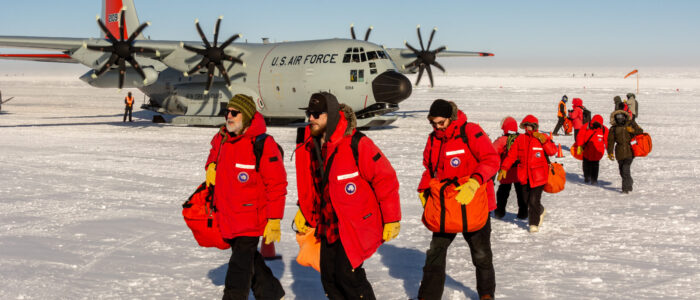
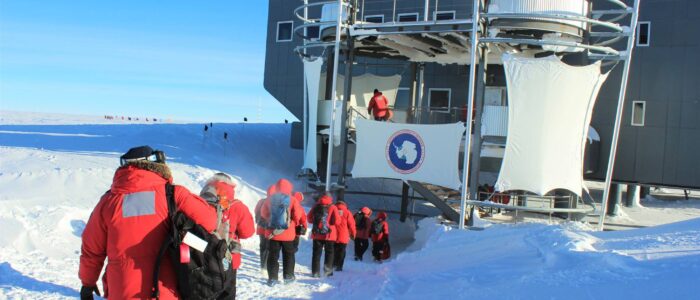
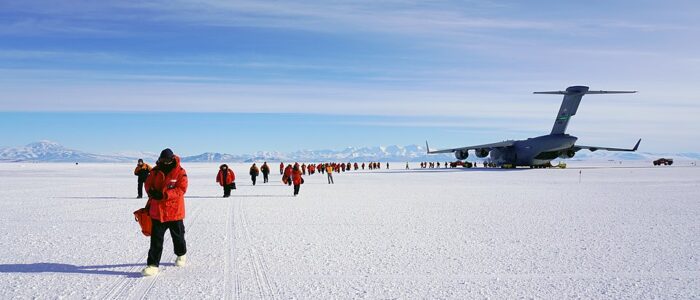 USAP participants disembark at Phoenix Airfield, Antarctica.
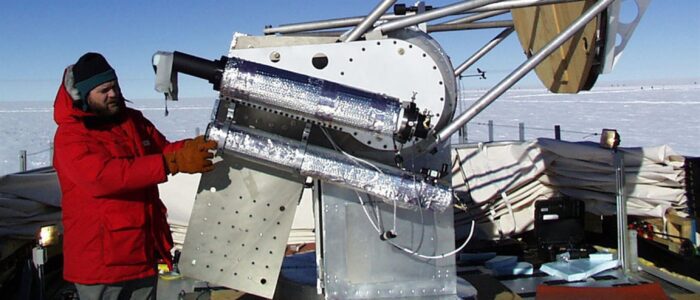
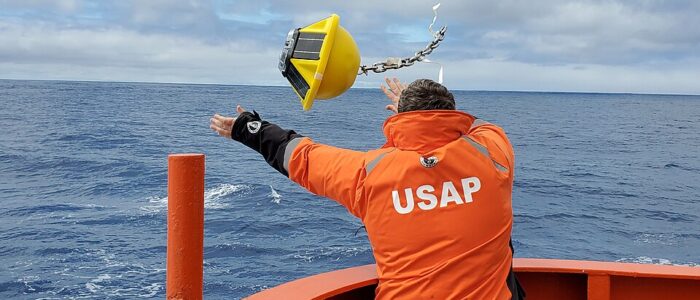
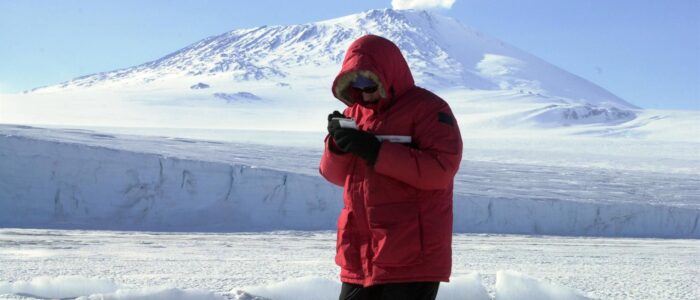
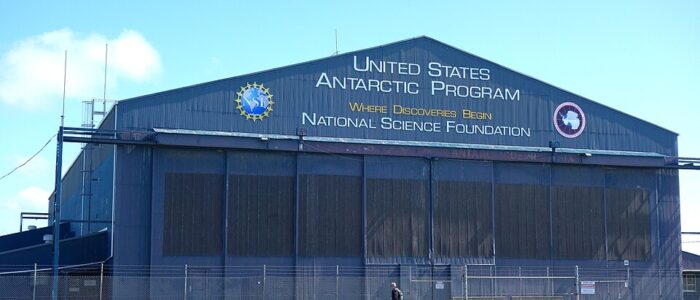
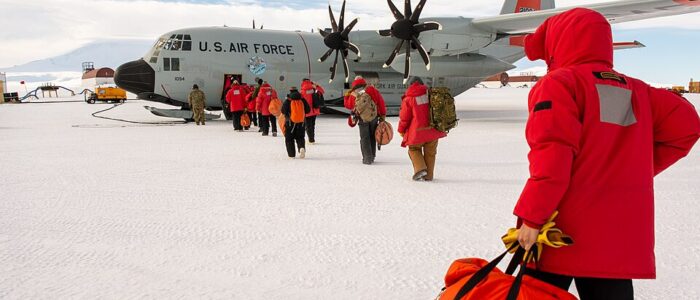
The United States Antarctic Program (USAP) is an organization of the United States government that supports U.S. scientific research on the Antarctic continent and surrounding oceans. Managed by the National Science Foundation, the program collaborates with federal agencies, the U.S. military and civilian contractors to provide essential logistical and operational support for researchers working in Earth’s driest, coldest, windiest and most remote continent.
The USAP’s key scientific objectives include advancing the understanding of Antarctica and its ecosystems, studying the continent’s influence on global systems, and utilizing Antarctica’s unique conditions for exclusive research opportunities.
Early U.S. Expeditions To Antarctica
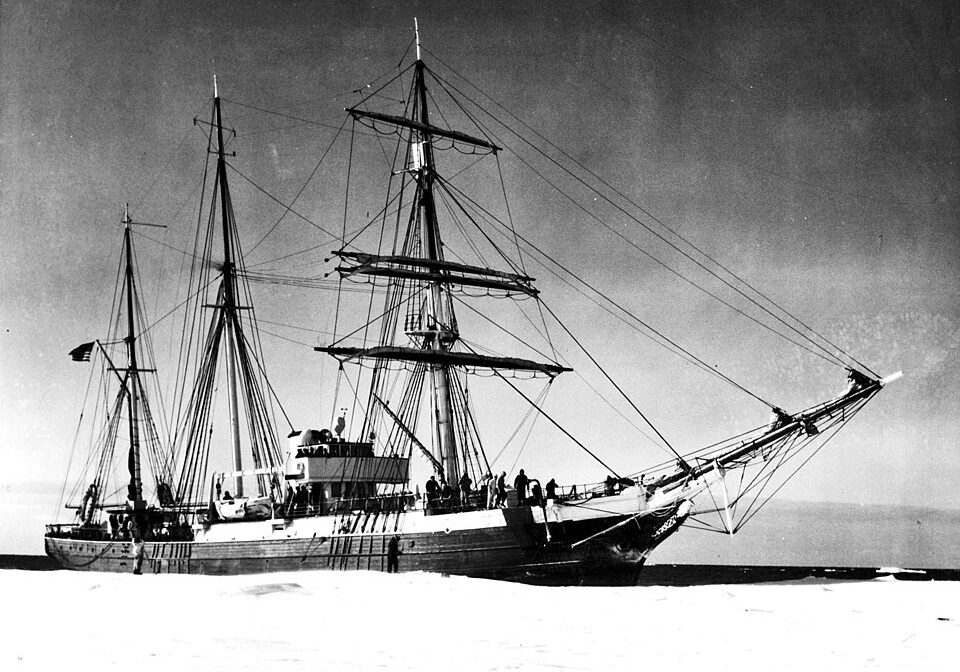 The USS Bear (AG-29) in the Antarctic during Admiral Byrd's second Antarctic expedition (1930s)
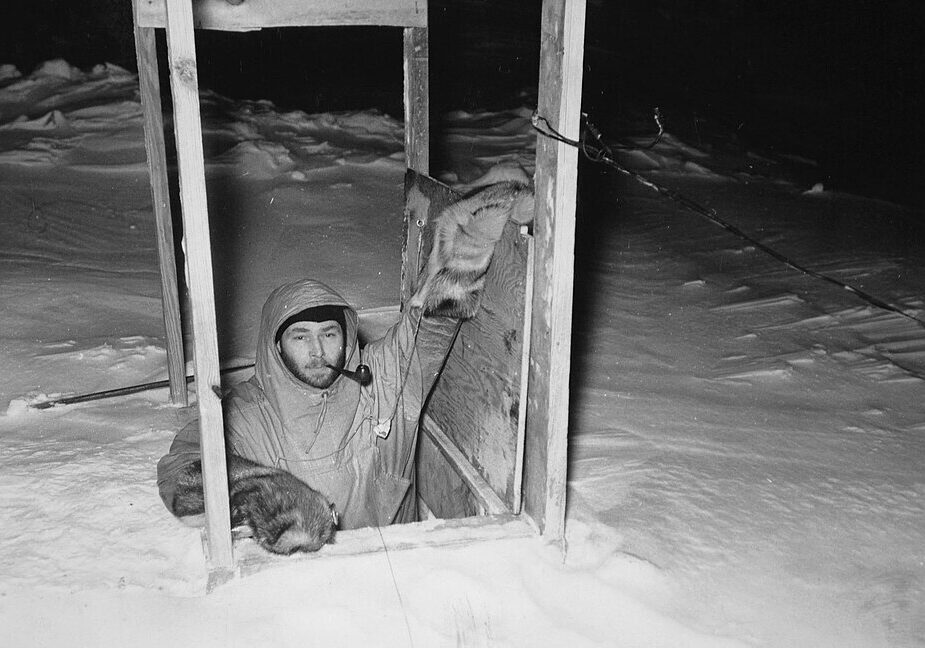
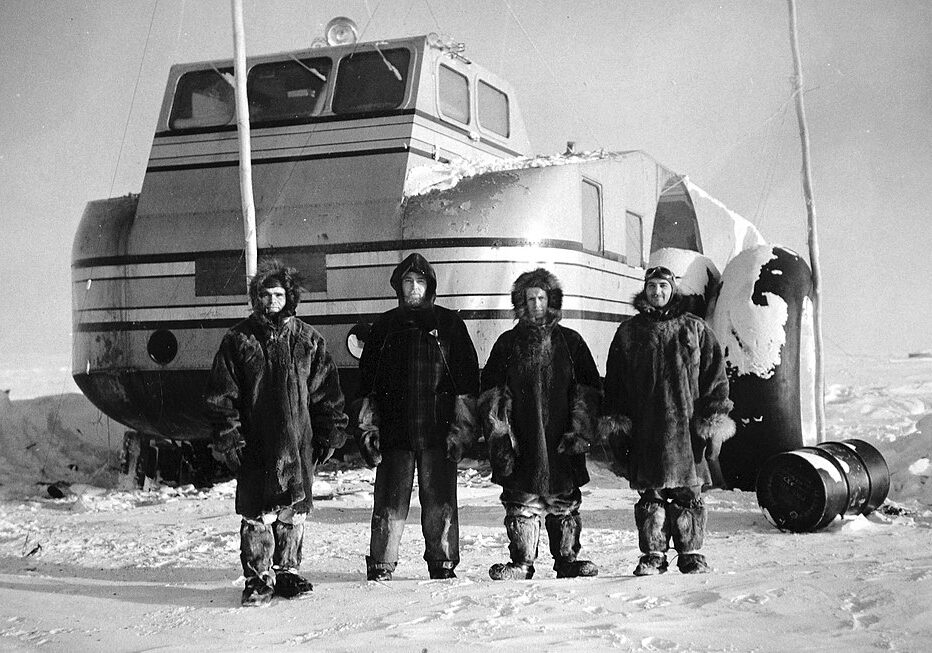
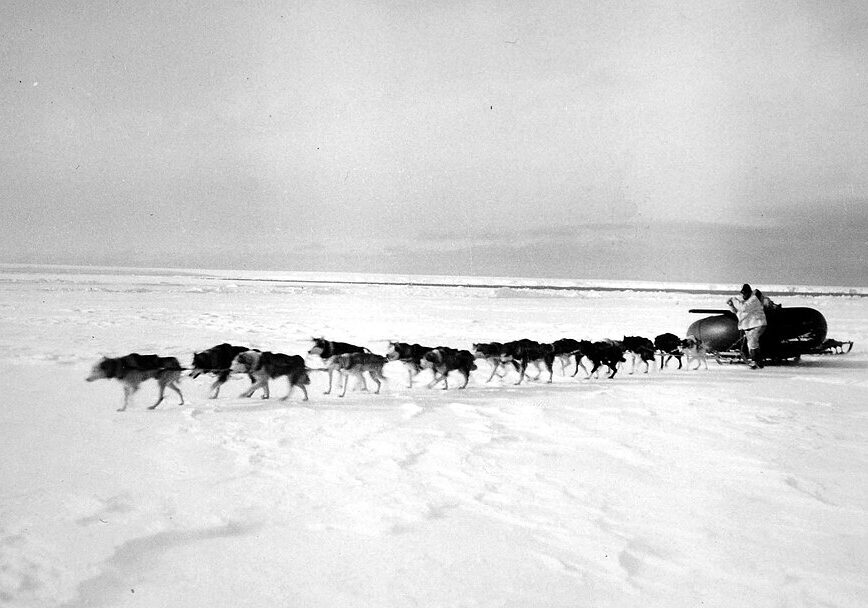
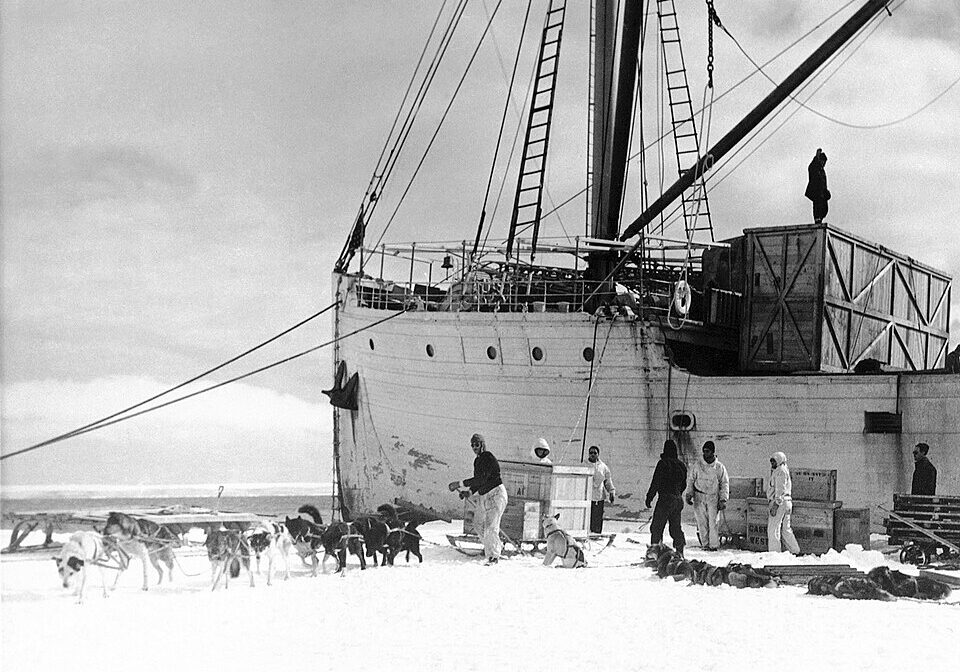
American involvement in Antarctic exploration began in the early 1800s, with expeditions led by explorers like Charles Wilkes, a U.S. Navy lieutenant who mapped more than 1,000 miles of the Antarctic coastline.
In the 20th century, efforts expanded significantly. Admiral Richard E. Byrd led several expeditions in the late 1920s through the mid 1930s, which included the first flight over the south pole, which succeeded in sparking further interest in the continent.
Notably, the U.S. Antarctic Service Expedition (1939–1940), led by the U.S. Navy, established several bases on the continent, leaving their infamous Antarctic Snow Cruiser behind when the mission was terminated due to international tension.
The U.S. navy saw more success with Operation Highjump in the 1940s, which became the largest single expedition ever to explore Antarctica. Including 13 naval vessels, numerous airplanes and more than 4,700 men, the operation successfully mapped vast stretches of the continent and helped establish a long-term American presence in Antarctica.
Founding & The Antarctic Treaty
The International Geophysical Year (IGY) in the late 1950s created the impetus for Operation Deep Freeze, a series of U.S. mission to Antarctica which ushered in the constant, continuing U.S. presence in Antarctica to date. The IGY was an intensive global research effort involving 67 countries and multiple scientific disciplines. During this year-long project, 12 nations established 50 Antarctic research stations.
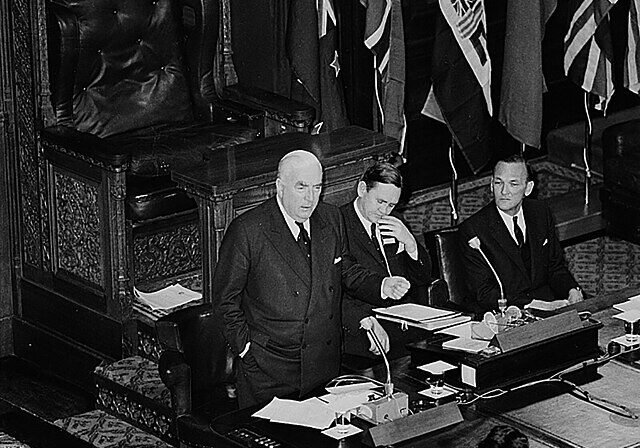
The international coordination that resulted from the IGY ultimately lead to the signing of the Antarctic Treaty, designating Antarctica as a zone for peaceful, cooperative scientific research. The treaty remains the foundation of all activity on the continent. To date, 58 nations have pledged to uphold the treaty. The USAP was formally established in that same year.
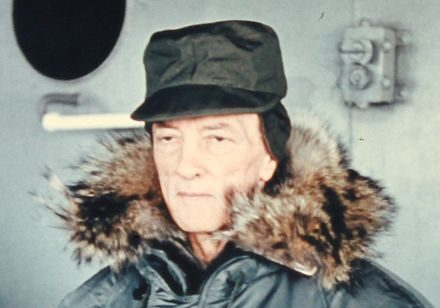 Admiral Richard E. Byrd aboard the USS Wyandot as part of Operation Deep Freeze I (1955)
The U.S. Antarctic Program Today
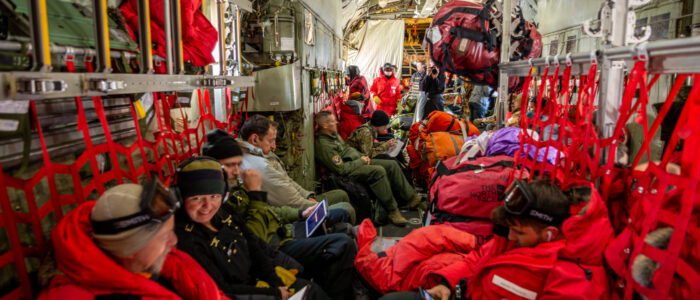 En route from McMurdo Station to Amundsen-Scott South Pole Station (2019)
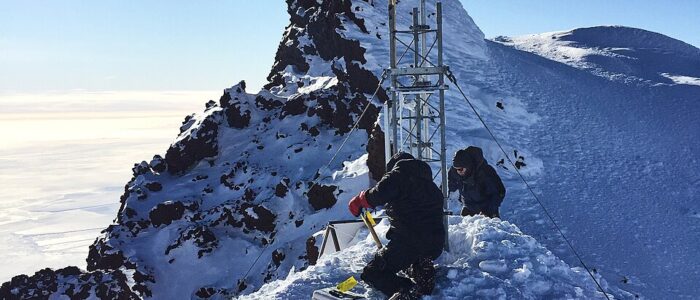
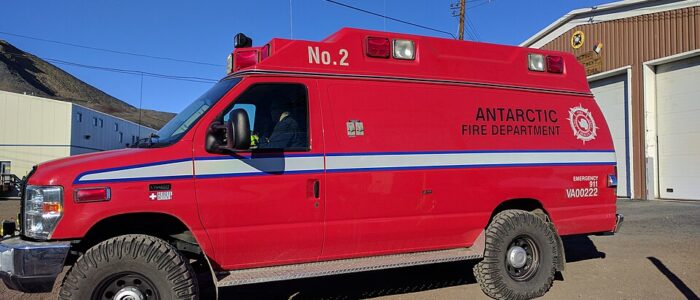
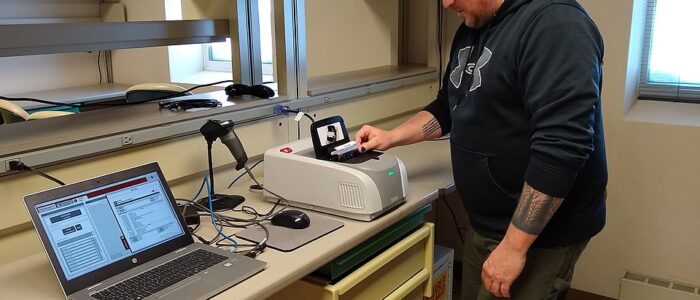
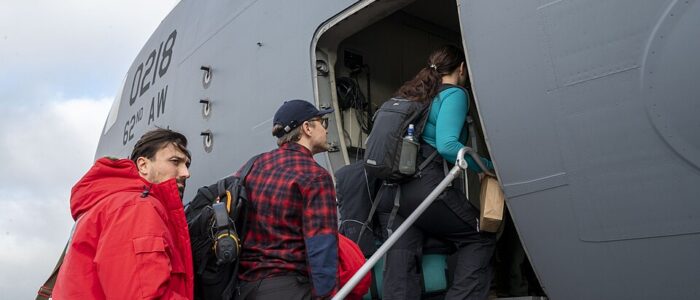
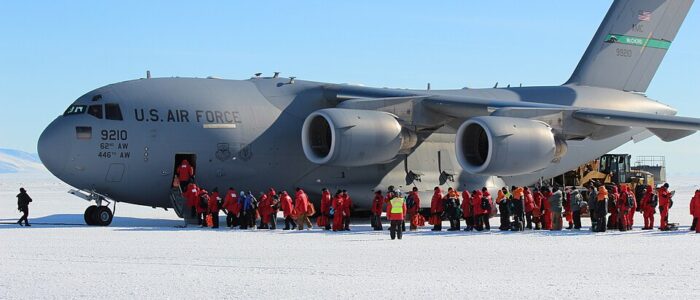
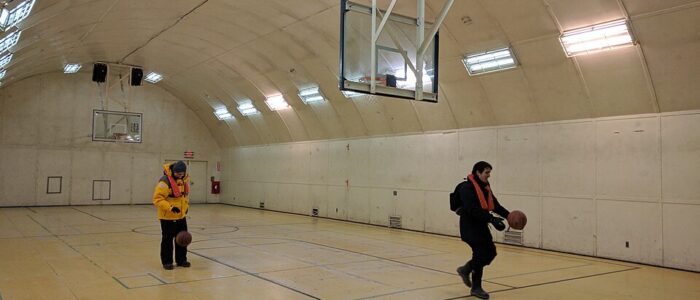
Today, the USAP supports research in biology, climate science, astrophysics, glaciology, and more. The program maintains three year-round research stations and two research vessels, in addition to temporary field camps operated during the summer season. It remains one of the most comprehensive and active polar programs in the world. Each year, approximately 3,500 Americans participate in research and support activities.
Research in Antarctica’s extreme environment may be funded by NSF or other federal agencies. This research spans various disciplines, including astronomy, atmospheric sciences, biology, earth science, environmental science, geology, glaciology, marine biology and oceanography.
McMurdo Station
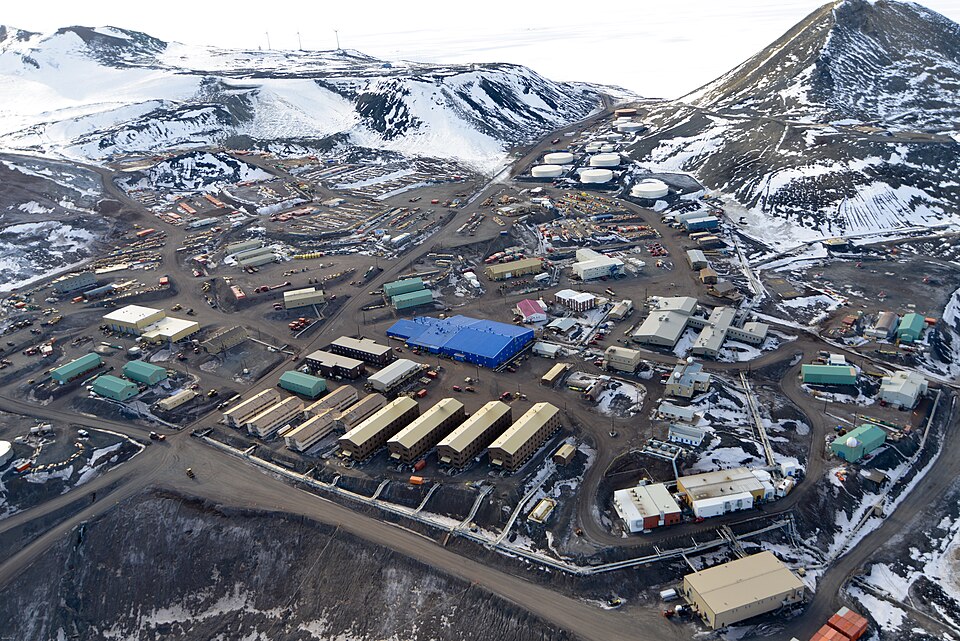
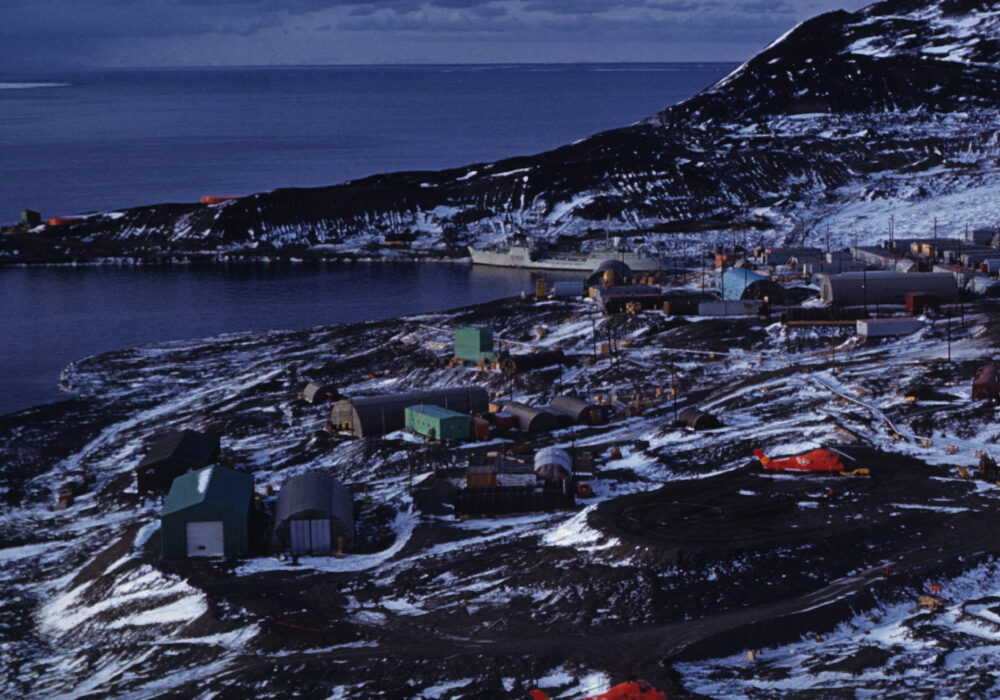
Originally constructed in the 1950s, many additions and modernizations have expanded McMurdo Station over the years. Located on barren volcanic hills at the southern end of Ross Island, it is the largest U.S. station in Antarctica and the main logistical hub for the USAP, serving as a gateway to the continent’s interior.
McMurdo is home to two airfields: Phoenix Airfield, which accommodates wheeled aircraft, and Williams Field Skiway, which is for ski-equipped aircraft only. In the summer moths, weekly flights are scheduled to and from nearby New Zealand. In the bitterly cold, dark winter season, however, there are much fewer flights.
About 90% of USAP participants either live at, or pass through, McMurdo station. In the winter season, the station is staffed by about 150-200, with the summer population reaching up to 1,000.
The station sits on the eastern shore of the McMurdo Sound, a historic area. Antarctic explorers Robert F. Scott and Ernest Shackleton both used the area as a base of operations, deploying sledging parties for scientific exploration and attempts to reach the South Pole. The brave men who were a part of these expeditions built huts which still stand today (Hut Point, Cape Evans, and Cape Royds).
Amundsen-Scott South Pole Station
The South Pole Station operates year-round and supports atmospheric, astronomical, and geophysical research. Life here is uniquely challenging, with complete isolation during the long winter, in addition to months of darkness and extreme cold.
Situated at the geographic South Pole, this station sits on a sheet of ice nearly 9,000 feet thick, with a mean annual temperature of –56 °F (–49 °C) and a record high of only 9.9 °F (– 12.3 °C) . During the summer months, the station population is typically about 150, shrinking to a few dozen personnel in the winter months
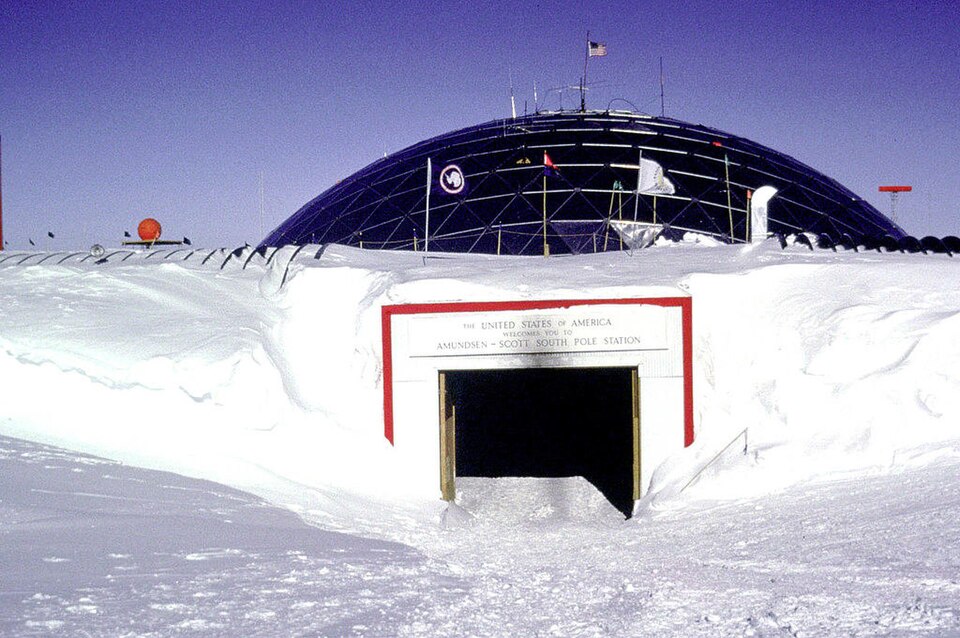
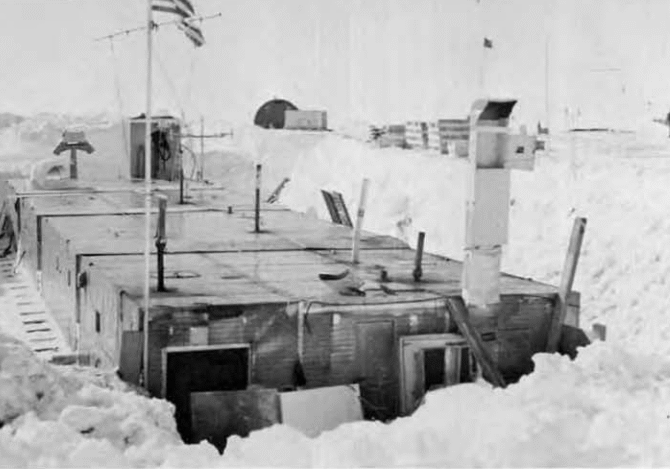
The original station (1957–2010), was abandoned in 1975 due to extreme snow accumulation. It subsequently became deeply buried. It was later demolished when an equipment operator fell through the structure while doing snow stability testing. A second station, the ‘dome’ (1975–2010), remained in use until its dismantlement. Construction on the ‘elevated station’, which is still in use today, began in 1999. This third station was specially designed to include adjustable elevation, to help avoid issues suffered by its predecessors.
Palmer Station
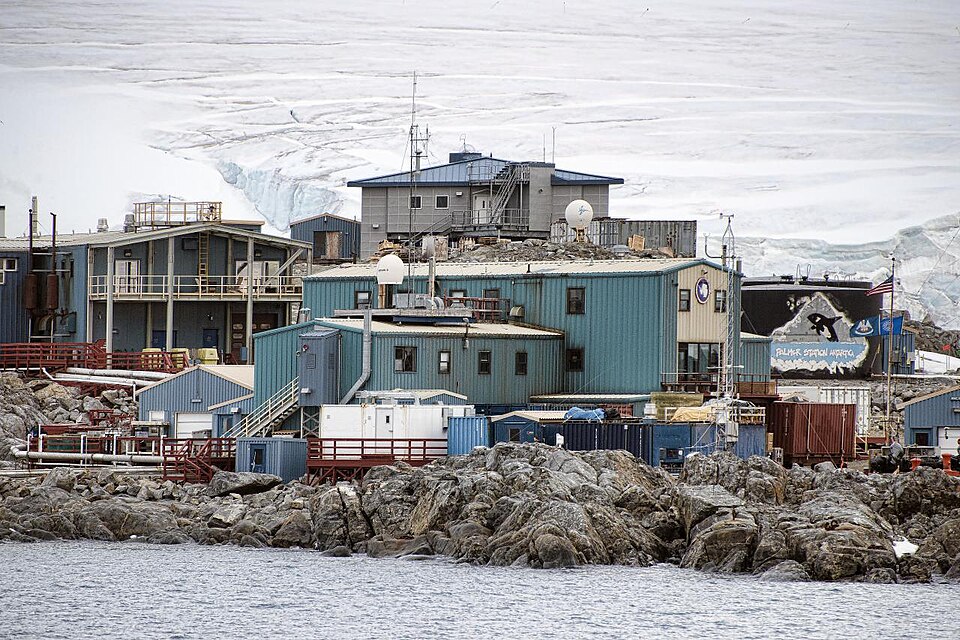
Palmer Station is the only U.S. research station located north of the Antarctic Circle, on Anvers Island. Named after Nathaniel B. Palmer, it’s inhabitants are primarily focused on marine biology and ecological research, taking advantage of its location along a biologically rich stretch of the Antarctic Peninsula.
Palmer’s location allows for a milder climate than the other stations enjoy, usually avoiding a period of winter isolation. The station has the smallest population, over 40 in the summer and shrinking somewhat in the winter months.
Research Vessels & Field Camps
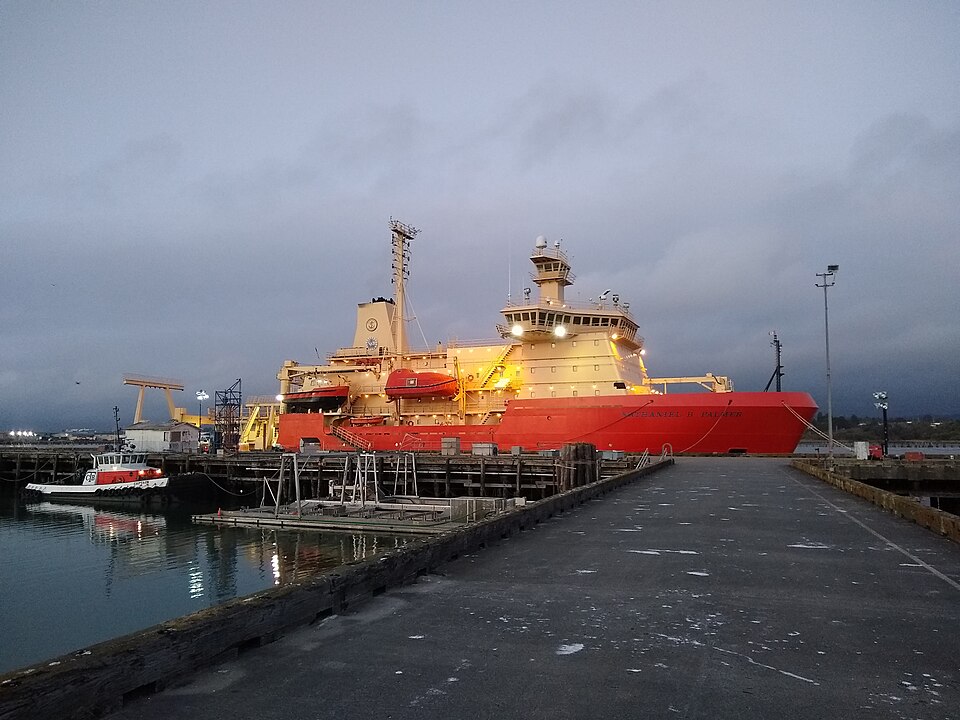
The USAP currently operates two research vessels: the RVIB Nathaniel B. Palmer (pictured) and ARSV Laurence M. Gould, which enable marine and climate science across the Antarctic Ocean. These ships are equipped for icebreaking, sample collection, and long-duration voyages, supporting both coastal and deep-sea studies. The Nathanial B. Palmer is particularly notable as a modern, multi-disciplinary research vessel containing six laboratories and with the capacity for 39 scientists.
Each season, dozens of temporary field camps are established around the continent. These camps can range from a few pitched tents to permanent structures that are returned to for years on end.
Working With The USAP
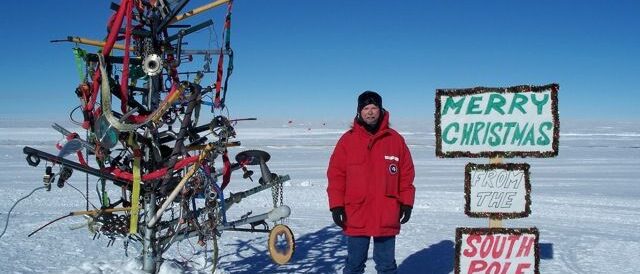
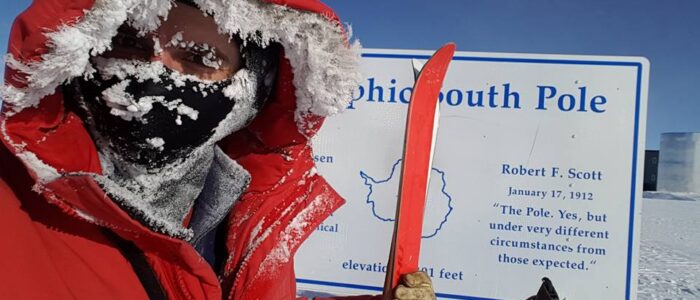 The creator of Antarctic Surplus skiing at the South Pole Station
Interested in working in Antarctica? The United States Antarctic Program offers a wide range of positions, both scientific and support-based. While the National Science Foundation oversees the program, many of the jobs—such as cooks, mechanics, IT specialists, heavy equipment operators, and field assistants—are filled through contractors that manage station operations.
Opportunities are competitive and require flexibility, physical fitness, and a willingness to live and work in extreme environments. Most roles are based at McMurdo Station, with smaller teams at the South Pole and Palmer stations. Field camp assignments are also possible, depending on the season and research needs.
For those looking to apply, job listings are typically posted by the USAP’s primary support contractors. Applicants should expect a thorough screening process, which may include background checks, medical evaluations, and specialized training before deployment.